TALK TO US NOW
For Sales Inquiry: +65 8958 3850

sales@pestbusters.com.sgSales Enquiries Only
For careers & job applications, please email: hr@pestbusters.com.sg

Professional Ant Pest Control Services in Singapore

CONTACT US Protect your facility or home from persistent ant infestations with the highly recommended pest control services in Singapore, tailored for any industrial, commercial, and residential settings. Our licensed, National Environment Agency-accredited team and experienced ant exterminator specialists brings over 30 years of experience to deliver safe, effective, and lasting ant control.
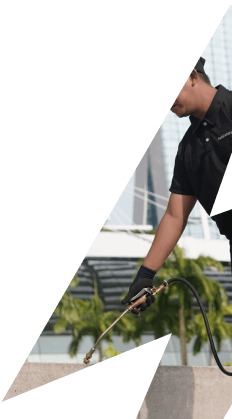
Ants Hero hero bolt 1 singapore landscape gray 1 Ant Mobile hero
Ant Pest Control Sub Hero

Why PestBusters is Singapore's Trusted Ant Control Specialist

As the recommended ant control service provider in Singapore, PestBusters delivers targeted solutions with over 30 years of experience. As the first pest control firm to receive the People Developer Award, our National Environment Agency-accredited and licensed team includes certified, ServSafe-trained technicians trusted by more than 2,500 clients in industrial, commercial, F&B, and residential sectors.

We use customised Integrated Pest Management (IPM), focusing on proper species identification and precise, source-level treatment rather than generic spraying. Our ISO-certified quality management systems and BizSafe Star standards ensure every engagement meets the highest standards of safety, compliance, and long-term effectiveness.

Types of Ants Found in Singapore

Accurate species identification is critical in ant pest control, as each species behaves differently and requires a targeted treatment approach.

The most common ant species in Singapore include:

Black Crazy Ants

Black Crazy Ants (2–3mm, black) are fast-moving and highly adaptable, often nesting in electrical equipment, wall voids, and cracks. They forage widely for sugar, grease, and insects, making them a frequent issue in warehouses and industrial facilities.

Carpenter Ants

Carpenter Ants (6–13mm, black or dark brown) tunnel into wood to form nests, posing structural risks. Common in timber structures and humid environments, they are especially relevant to logistics hubs and construction sites.

Fire Ants

Fire Ants (2–6mm, reddish-brown) are aggressive and deliver painful stings that can trigger severe allergic reactions. They typically nest in open, sunny areas such as gardens, construction zones, and outdoor industrial spaces, posing health risks to workers.

Ghost Ants

Ghost Ants (1.3–2mm) have pale bodies with dark heads and often invade kitchens, food storage areas, and air-conditioning units in large numbers. This presents a significant concern for F&B and pharmaceutical environments.

Pharaoh Ants

Pharaoh Ants (1.5–2mm, yellow to reddish-brown) form extensive “supercolonies” in wall voids and flooring systems, making them particularly dangerous in healthcare settings where they can spread pathogens.

Incorrect DIY treatment, especially for budding species such as Pharaoh and Ghost ants, can scatter colonies and worsen infestations. That’s why professional identification and targeted control are essential for effective, long-term results.

bolt outline

Signs of a Ant Infestation

Identifying early signs of an infestation is essential for effective ant control, especially across commercial, industrial, and residential environments where risks can escalate quickly.

Visible Ant Trails

Ants marching in lines toward food, water, or electrical conduits indicate an established and active colony.

Ant Nests

Small mounds of sand or soil near walls, foundations, or building perimeters are common around construction sites and outdoor areas.

Discarded Wings

Wings found near windows, lights, or entry points indicate reproductive ants are establishing new colonies nearby.

Rustling Sounds

Faint noises within walls, ceilings, or floors are often linked to Carpenter Ants tunnelling through timber.

Food Contamination

Ants in packaging, pantries, or storage areas present a critical concern for food and pharmaceutical facilities.

Sawdust-Like Frass

Debris near timber structures suggests Carpenter Ant activity and potential structural damage.

Ants in Electrical Systems

Ants emerging from sockets, appliances, or conduits pose a significant risk to industrial machinery and server rooms.

Spotted signs of ants? Contact PestBusters for a professional inspection.

bolt outline

Why Ant Control Matters for Your Business

Ant infestations can compromise hygiene standards, damage property, and disrupt daily operations, making professional ant control essential for maintaining compliance and protecting your business reputation.

Health Risks

  • Food Contamination: Ants may carry bacteria such as Salmonella and E. coli. Pharaoh Ants can also spread pathogens like Staphylococcus and Clostridium in sensitive environments.
  • Worker Safety Hazards: Fire Ant stings can cause severe allergic reactions, including anaphylactic shock, in outdoor and industrial environments.
  • Allergic Reactions: Ant bites and stings are a recognised occupational health concern, especially in high-exposure settings.

Business Consequences

  • Regulatory Breaches: Contamination may result in SFA or National Environment Agency compliance failures, product recalls, or licence suspension.
  • Structural Damage: Carpenter Ants can weaken timber structures, storage systems, and palletised goods by tunnelling.
  • Operational Disruption: Ants in electrical systems may cause short circuits, equipment failures, and costly downtime.
  • Reputational Damage: Visible infestations in customer-facing areas can erode trust and harm brand perception.

Our Ant Pest Control Methods

Inspection & Entry Point Identification

Each treatment starts with a thorough site inspection to identify ant species, colony locations, nesting areas, and entry points such as cracks, crevices, pipes, and window gaps. We also assess food and moisture sources to develop a customised, site-specific treatment plan.


Gel Baiting System

We apply slow-acting gel bait in cracks, crevices, electrical conduits, and along ant trails. Ants transport the bait to the colony, resulting in widespread elimination. This method is essential for Ghost and Pharaoh Ants, where spraying may worsen infestations, and is ideal for F&B, pharmaceutical, and sensitive environments.

Ant Baiting (Bait Stations & Granular Bait)

We deploy processed bait at nest sites and active foraging zones to attract and eliminate entire colonies, including the queen. This method is highly effective for outdoor species such as Fire Ants and Black Crazy Ants in industrial and commercial settings.

Dust Insecticide Treatment

Insecticide dust, such as deltamethrin or permethrin, is applied directly into wall voids, ceilings, and hidden nesting sites. This treatment is especially effective for Carpenter Ants and infestations in inaccessible structural areas.

Residual Spraying

We apply NEA-approved insecticides to perimeters, skirting boards, and external entry points to create a protective barrier against foraging ants. This method is commonly used for warehouses, building exteriors, and industrial perimeters.

Pest-Proofing & Exclusion

We seal cracks, crevices, and gaps around pipes and conduits, apply silicone to wall penetrations, and install mesh screening as needed. These measures prevent re-entry and reduce the risk of future infestations.

bolt outline

Industries We Serve

Rodent activity affects multiple industries differently, and our control approaches are adapted to the unique risks and compliance needs of each sector.

Hospitality icon

Hospitality

We support hotels and serviced apartments with ant infestations that compromise guest experience, hygiene, and brand reputation, particularly in dining and housekeeping areas.

Pharmaceuticals icon

Healthcare

We help hospitals and clinics to battle infestations, especially Pharaoh Ants, which pose significant infection control risks by spreading pathogens in sterile environments.

Retail and Commerce icon

Retail and Commerce

We provide ant management for retail spaces with visible ant activity to avoid damaging customer trust, contaminating goods, and harming brand perception.

Food and Beverage icon

Food and Beverage

We support ants management in kitchens, storage, and preparation areas that can contaminate food and risk breaches of SFA and National Environment Agency regulations.

Condominiums icon

Manufacturing

We help manufacturing facilities to prevent ants from contaminating raw materials and products, disrupting quality control and compliance.

Construction icon

Construction

We support construction sites, which are prone to ant nesting in soil and debris, to eliminate ants that pose safety risks to workers and disrupt site operations.

Education icon

Education

We help schools and childcare centres that require strict hygiene to eliminate ant infestations, prevent contamination and bite-related reactions among students and staff.

Pharmaceuticals icon

Pharmaceuticals

We help manage ant intrusion in pharmaceutical environments to avoid compromising sterile processes and product integrity.

Condominiums icon

Commercial

We provide ant control in offices and commercial buildings, especially in pantries, workspaces, and electrical systems, to avoid hygiene issues and possible equipment damage.

Residential icon

Residential

We support homes with discreet ants control programmes to avoid contaminating food, invading living spaces, and often establishing persistent colonies.

What to Expect from Our Ant Pest Control Services

If you’re dealing with an ant infestation in your home, hiring a professional ant control company like PestBusters is the best way to guarantee your problem is taken care of quickly and effectively.

Step 1: Site Inspection & Species Identification

Our licensed NEA technician inspects your property to identify ant species, locate nests, trace foraging trails, and map entry points

Step 2: Customised Treatment Plan

We create a species-specific plan using the most effective combination of gel baiting, bait stations, dust insecticide, and residual spraying to eliminate the colony at its source.

Step 3: Treatment Execution

We apply targeted treatments with precision to minimise disruption to your operations, staff, or living environment while maximising effectiveness.

Step 4: Reporting and Documentation

We provide a comprehensive service report after treatment, suitable for SFA, NEA, or internal compliance and audit requirements.

Step 5: Monitoring and Prevention

Follow-up visits and ongoing monitoring confirm complete colony elimination and help prevent re-infestation or colony budding.

Frequently Asked Questions

What makes PestBusters a recommended ant pest control company in Singapore?

Established in 1991, PestBusters offers over 30 years of experience and is accredited by the National Environment Agency. As the first recipient of the People Developer Award, our pest management company have served more than 2,500 clients. Our ServSafe-certified ant exterminators provide reliable, compliant, and effective ant pest control solutions in Singapore.

What types of ants are commonly found in Singapore homes and workplaces?

Common species include Black Crazy Ants, Carpenter Ants, Fire Ants, Ghost Ants, and Pharaoh Ants. Each species differs in behaviour, nesting habits, and risk, so effective long-term control requires targeted treatment.

Why should I avoid spraying ants myself?

DIY spraying for pest control, especially for budding species such as Pharaoh and Ghost ants, can fragment colonies and worsen infestations. Incorrect pest treatment may also cause ants to disperse into multiple nests, making control more challenging. 

How long does ant pest control take, and will I need to vacate the premises?

Most ant infestation treatments are completed within a few hours, depending on the severity of the infestation. In most cases, you do not need to vacate, as treatments are applied safely with minimal disruption to operations or daily activities.

Is your ant control treatment safe for food preparation areas and pharmaceutical facilities?

Yes. Gel baiting systems are safe and highly effective when applied by certified professionals. They are the preferred method for sensitive environments such as F&B, healthcare, and pharmaceutical facilities.

How often should a commercial or industrial property be treated for ants?

Treatment frequency depends on risk level, industry requirements, and infestation history. High-risk environments, such as F&B or manufacturing, typically require scheduled preventive maintenance to ensure compliance and long-term protection.

How much does ant pest control cost in Singapore?

Costs depend on property size, infestation severity, ant species, and treatment frequency. We recommend a professional site assessment to provide an accurate quotation tailored to your needs.

Contact Our Ant Pest Control Specialists in Singapore

* Please fill in the mandatory fields as required.

Contact Us

bolt dotted compressedbolt outline
contact section bg 1