


TALK TO US NOW
For Sales Inquiry: +65 8958 3850

sales@pestbusters.com.sgSales Enquiries Only
For careers & job applications, please email: hr@pestbusters.com.sg

Professional Rat & Rodent Control in Singapore

CONTACT US With over 30 years of established pest management practice, PestBusters delivers professional rat and rodent control services for industrial, commercial, and residential properties across Singapore. Our NEA-licensed specialists follow best practices, conducting thorough site assessments to identify the source of infestation and applying targeted, evidence-based rodent control methods to manage and sustainably reduce activity across your premises.
Rodent hero hero bolt 1 Rodent home Mobile singapore landscape gray 1
Rat Pest Control

Why PestBusters is Singapore's Trusted Rodent Control Company

Trusted by over 2,500 clients, PestBusters serves a broad range of sectors, including industrial facilities, food factories, commercial developments, and residential properties.

We are the first pest management company in Singapore to receive the nation’s prestigious People Developer Award, a recognition that reflects the rigorous training standards and professional calibre of every member of our field team. Our operations are underpinned by an ISO-certified quality management system, BizSafe Star certification, and ServSafe accreditation. 

We deploy a comprehensive range  of rodent control methods, from targeted baiting and trapping to IoT-enabled surveillance  systems, all tailored to your property type, industry requirements, and the specific nature of rodent activity on site.

Types of Rodent in Singapore

Singapore’s warm, humid climate (25–32°C; 80–90% humidity) supports year-round rodent activity, with different rodent species varying in biology, habitat, and the type of damage they cause.

Norway Rat (Rattus norvegicus)

The most prevalent rodent species in Singapore, the Norway rat is a ground-dwelling burrower that inhabits drainage systems, refuse areas, and the foundations of industrial buildings.

Its adaptability makes it a persistent challenge in both public housing estates and large-scale industrial facilities. Despite its size, it can easily gain access through small gaps.

Roof Rat (Rattus rattus sp.)

An agile climber, the roof rat favours elevated harbour points including roof spaces, wall cavities, false ceilings, and warehouse storage areas. 

It is commonly found across coastal and urban environments in Singapore and is a known carrier of Leptospira bacteria, Seoul hantavirus, and Rickettsia typhi, as confirmed by NEA-affiliated research.

House Mouse (Mus musculus)

A highly adaptable and capable of surviving on minimal food and space found in offices, retail spaces, food and beverage premises, and residential properties

Its small size allows entry through gaps of 6 mm or less, and populations can grow rapidly if left unaddressed.

Singapore’s urban density and year-round tropical climate create favourable conditions for rodent activity across all property types and sectors. A control approach suited to one species may yield limited results when applied to another, which is why professional identification is the starting point of every engagement. 


Contact us to arrange an assessment.

bolt outline

Signs of Rat Infestation

Rats are nocturnal and adept at concealment, which means infestations are frequently well-established before they are noticed. In industrial and commercial settings, where contamination of stock, machinery, and food handling areas carries serious compliance consequences, early identification is critical.

Look out for the following:

Droppings

Dark, pellet-shaped droppings near food storage, along walls, under machinery, or behind racking are an indicator of rodent presence.

Gnaw Marks

Damage to electrical wiring, cables, pipes, wooden structures, and packaging. Gnawing on cables in particular represents a serious fire and electrical hazard.

Grease or Smear Marks

Dark, oily streaks along walls, skirting boards, and pipework caused by rats repeatedly following the same routes. A strong indicator of established runs.

Scratching or Scurrying Sounds

Audible movement in ceilings, wall cavities, or beneath floors, most evident at night.

Burrows

Excavated holes near refuse bins, drains, building foundations, or landscaped areas adjacent to the premises.

Musky or Ammonia-Like Odour

A persistent smell caused by rat urine, often concentrated in enclosed areas such as store rooms or under equipment.

Footprints or Tail Marks

Visible tracks in dusty areas, along pipework, or near food storage.

Daytime Sightings

Rats are nocturnal. Sightings during daylight hours are a strong indicator of a heavy, established infestation.

bolt outline

Health Risks & Business Consequences of Rat Infestations

Rodent Pest Control Services

A rodent infestation is not merely a hygiene issue. For businesses, it carries measurable regulatory, financial, and reputational exposure.

Health Risks

  • Leptospirosis: A bacterial infection spread through exposure to water, soil, or food contaminated with rat urine. Without prompt medical treatment, it may cause kidney and liver failure if untreated.
  • Seoul Hantavirus: Spread via contact with rat urine, droppings, or saliva. In serious cases, it may result in severe respiratory or renal complications. 
  • Rickettsia typhi (Murine Typhus): Spread via infected rat fleas. Causes fever, rash, and in severe cases, organ damage.
  • Salmonellosis: Spread through food or surfaces contaminated with rat faeces. A leading cause of food-related illness.
  • Rat Bite Fever: Transmitted through bites or contact with infected rodents or their secretions.

Business Consequences

  • Structural and Equipment Damage: Gnawing on electrical wiring, pipes, and insulation creates fire hazards and costly repair obligations.
  • Product Contamination: Direct risk of stock loss and product recalls in F&B, pharmaceutical, and logistics operations.
  • Regulatory Enforcement: Since April 2025, NEA and SFA have tightened enforcement for rat-related lapses. Under the Control of Vectors and Pesticides Act, a first offence can result in a fine of up to S$20,000, imprisonment, or both. For food establishments, serious hygiene lapses may also lead to enforcement actions, including suspension of operations.
  • Reputational Damage: Public disclosure of hygiene lapses on NEA’s website can have a lasting impact on customer and tenant confidence.

Our Rodent Control Methods

We use a combination of control and monitoring methods to address rodent activity and support ongoing management across different environments.

Breeding Ground Identification

Every engagement begins with a thorough site inspection to locate nesting and harbour areas specific to your premises, including. Proper identification of species and primary harbour sites  determines the most targeted treatment pathway.

Rodent Baiting and Trapping

Bait stations, glue boards, and snap traps are strategically deployed at key risk areas and entry points identified during inspection. For F&B, pharmaceutical, and high-hygiene industrial settings, non-food-attractant formulations are available to maintain compliance with facility management requirements.

IoT Cage Traps & Digital Monitoring

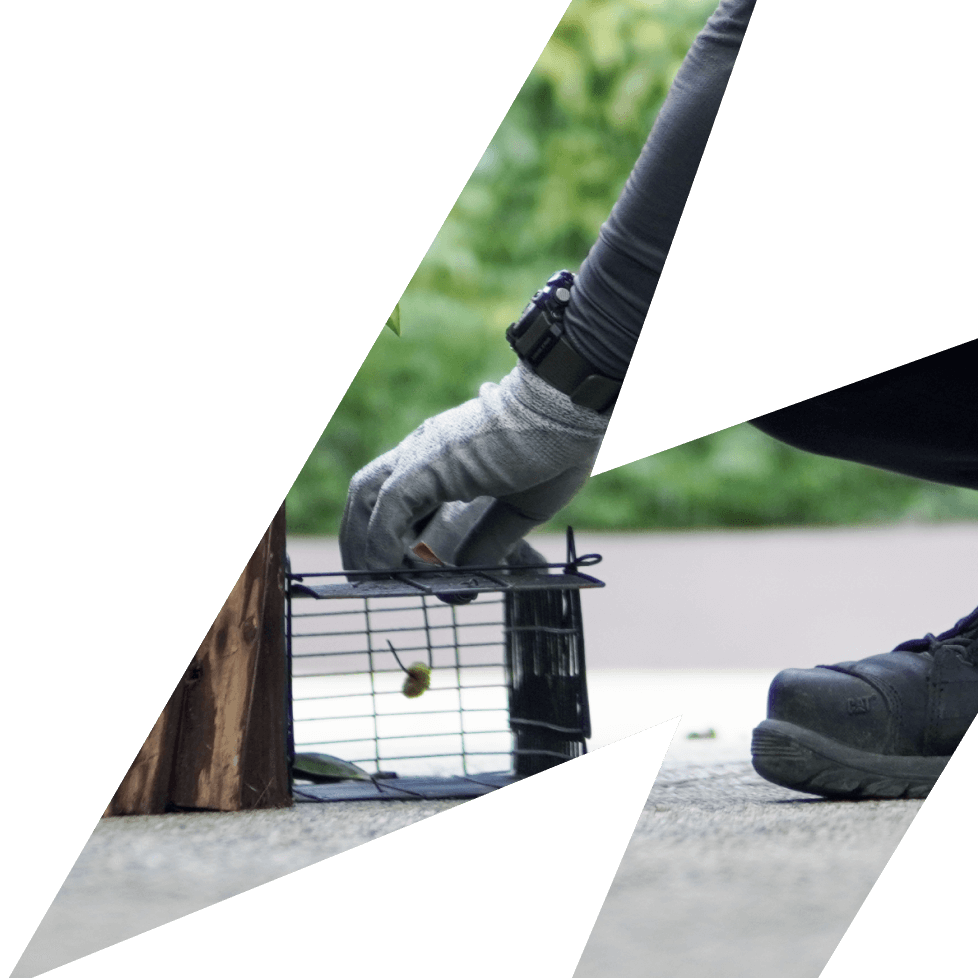
Sensor-enabled cage traps with real-time alert notifications when triggered. Designed for no-touch, hygienic disposal, ideal for food production, pharmaceutical, and logistics environments where traditional trapping methods pose contamination or compliance risks.

Rodent Surveillance System

High-definition camera traps with wide-angle motion-triggered capture, deployed to identify rodent entry points, track movement patterns, and assess infestation size. Surveillance data supports treatment planning and provides documentary evidence for compliance and audit purposes.

Pest-Proofing & Exclusion

Structural exclusion addresses the root conditions that allow rodents to access and persist within a building. Our specialists seal gaps and entry points at pipework penetrations, door frames, eaves, and wall junctions, and install wire mesh and door sweeps where structurally appropriate.

bolt outline

Industries We Serve

Rodent activity affects multiple industries differently, and our control approaches are adapted to the unique risks and compliance needs of each sector.

Hospitality icon

Hospitality

We deliver discreet, compliance-aligned rodent control for hotels, serviced residences, and F&B outlets to protect the guest experience.

Pharmaceuticals icon

Healthcare

Our rodent control programmes are implemented to support NEA and MOH hygiene standards across hospitals and medical facilities.

Retail and Commerce icon

Retail and Commerce

We ensure targeted rodent management to protect stock, maintain hygiene compliance, and support tenant and shopper confidence.

Food and Beverage icon

Food and Beverage

Our team provides rodent control solutions aligned with NEA and SFA requirements to support hygiene and audit readiness.

Condominiums icon

Manufacturing

Rodent control measures are applied to protect raw materials, storage areas, and high-risk production environments.

Construction icon

Construction

We implement rodent control measures to manage site conditions, supporting worker safety and hygiene compliance.

Education icon

Education

Our rodent management specialists help maintain clean and safe learning environments across schools and institutions.

Pharmaceuticals icon

Pharmaceuticals

Our documented rodent management programmes support GMP compliance, audits, and product integrity.

Condominiums icon

Commercial

We help maintain hygiene standards, protect infrastructure, and reduce operational risks for commercial properties.

Residential icon

Residential

Our specialists offer monitoring and targeted rodent control to help homeowners maintain hygiene and reduce risks associated with rodent activity.

What to Expect from Our Rodent Pest Control Services

Our termite treatment process is designed to assess, manage, and address termite activity in a structured manner.

Step 1: Site Inspection and Risk Assessment

Our NEA-licensed technician conducts an inspection to identify breeding grounds, harbourage areas, species type, entry points, and infestation severity across your premises.

Step 2: Treatment Recommendation

A tailored rodent control plan is prepared based on your property type, industry sector, infestation level, and any specific compliance or operational requirements.

Step 3: Treatment Execution

The recommended method is applied, whether baiting, trapping or structural exclusion, with minimal disruption to your operations or occupants.

Step 4: Reporting and Documentation

A detailed mice control service report is issued upon completion, suitable for NEA compliance submissions, internal facility management audits, or food safety records.

Step 5: Monitoring and Prevention

Scheduled follow-up visits and ongoing monitoring are established to verify treatment effectiveness, prevent re-infestation, and maintain your compliance records over time.

Frequently Asked Questions

What makes PestBusters one of the best rat pest control companies in Singapore?

PestBusters brings over 30 years of professional rodent control, serving more than 2,500 clients across industrial, commercial, and residential sectors. We are the first pest management company in Singapore to receive the People Developer Award, and our NEA-licensed exterminators are supported by ISO-certified quality management systems.

What are the three common types of rats found in Singapore?

The three most common rodent species in Singapore are the Norway Rat (Rattus norvegicus), typically found in drains and ground-level areas; the Roof Rat (Rattus rattus sp.), an agile climber found in ceilings and rooftops; and the House Mouse (Mus musculus), a small, adaptable species found across offices, retail, and residential premises.

How do I know if I have a rat infestation in my premises?

Common indicators include droppings near food or walls, gnaw marks on wiring or packaging, grease smears along skirting boards, and scratching sounds at night. Additional signs include burrows near drains or foundations, a musky ammonia-like odour, and daytime sightings, which in particular may indicate a sizeable, established infestation requiring professional intervention.

Is your rodent treatment safe for industrial facilities handling food or pharmaceutical products?

Yes, our rodent treatment is suitable for facilities handling food or pharmaceutical products. We apply integrated pest management (IPM) approaches tailored to sensitive environments, focusing on minimising contamination risks, maintaining hygiene standards, and supporting regulatory compliance requirements in both food and pharmaceutical operations.

How long does rat pest control take, and will I need to vacate the premises?

The duration of rat control depends on the method applied and the severity of the infestation. Vacating is not typically required. Our exterminators will advise on any specific requirements during the site inspection and treatment recommendation stage.

How often should a commercial or industrial property be inspected for rodents?

Commercial and industrial properties should typically undergo rodent inspections at least monthly fpr timely commercial pest control. Facilities with past infestations or sensitive operations may require more frequent checks to maintain hygiene standards and regulatory compliance. Inspections can also be extended to cover termite control and mosquito control within a comprehensive pest management programme.

What is the cost of rat pest control in Singapore?

The cost of rat pest control varies based on property size, infestation severity, species identified, and the methods required. Contact our team to arrange a site inspection and receive a tailored proposal.

Contact Our Rodent Control Specialists in Singapore

* Please fill in the mandatory fields as required.

Contact Us

bolt dotted compressedbolt outline
contact section bg 1